The 2026 Guide to Social Media Design Key Principles & Hot Trends
|
6
min read
The 2026 Guide to Social Media Design: Key Principles & Hot Trends
Social media design has evolved rapidly heading into 2026. With AI-generated content now mainstream and attention spans shorter than ever, visuals that don’t grab attention instantly are simply ignored—no matter how “well-designed” they are.
Whether you’re a marketing manager, small business owner, or content creator, understanding the latest social media design principles isn’t optional; it’s essential for survival in an increasingly competitive digital landscape.
This comprehensive guide breaks down the fundamental principles driving successful social media visuals this year, plus the hottest trends reshaping how brands connect with audiences. From AI-assisted workflows to the “anti-polish” aesthetic taking over feeds, you’ll learn exactly what works now and why.
Why Social Media Design Matters More Than Ever in 2026
The digital landscape has fundamentally shifted. According to recent data, AI tools have made content creation faster than ever, resulting in more crowded and competitive feeds.
This saturation means audiences are craving authenticity and human connection more than ever. Your social media design isn’t just decoration; it’s your brand’s first impression, storytelling vehicle, and conversion engine all in one.
Most users decide within seconds whether to engage or scroll past—you have less than three seconds to capture their attention.
This makes every pixel count. Design must communicate value instantly, evoke emotion immediately, and guide action effortlessly.
Moreover, social search is now outpacing traditional SEO for younger generations. Nearly one in three consumers skip Google entirely, starting their search journey directly on TikTok, Instagram, or YouTube.
This shift means your social media visuals must be discoverable, memorable, and optimized for both algorithms and human eyes.
Core Principles of Effective Social Media Design
Visual Hierarchy That Commands Attention
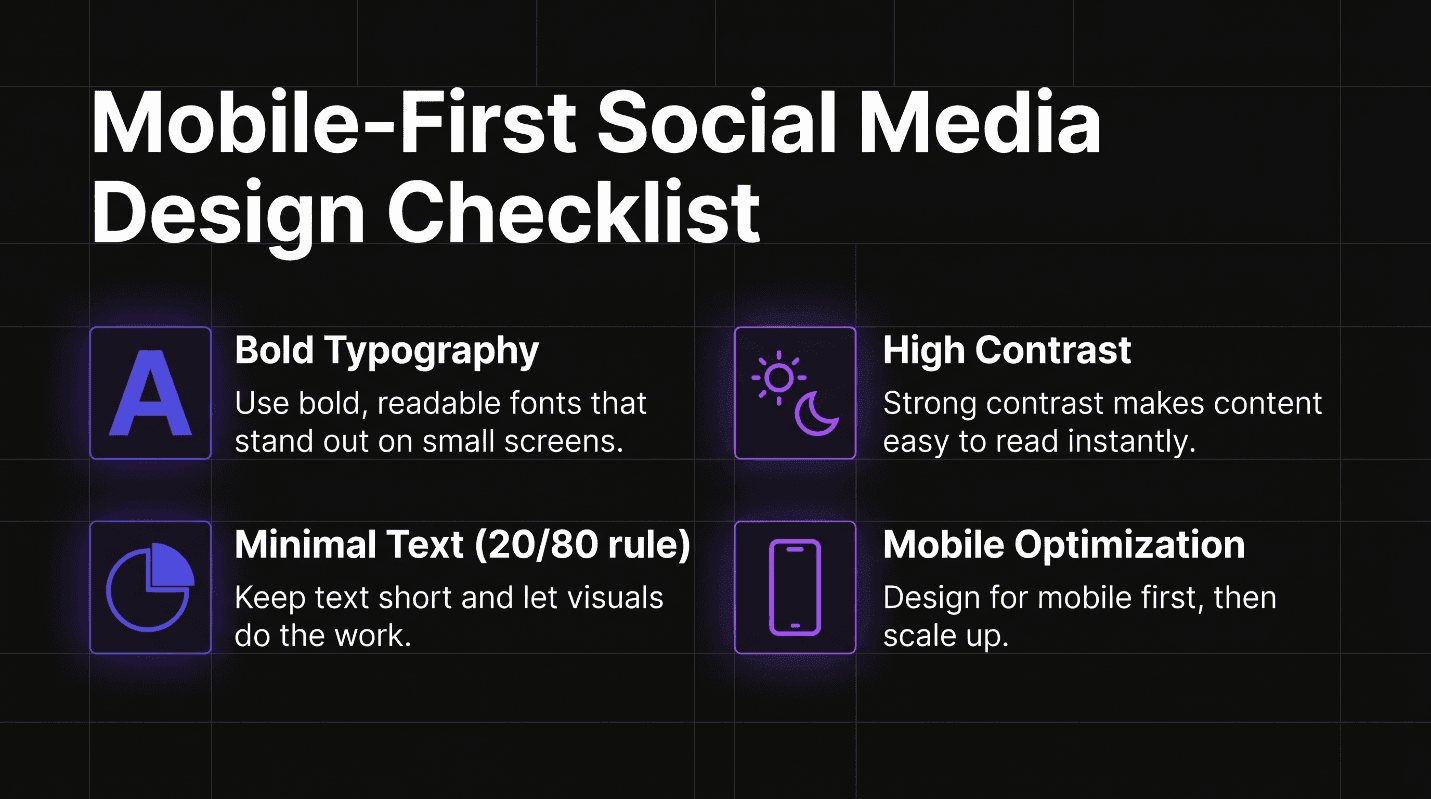
Good design guides the eye. Great design tells people exactly where to look first. Every element should intentionally guide the viewer’s eye toward your most important message. Use size, color contrast, and strategic spacing to create a natural reading flow.
Key elements of strong hierarchy:
One focal point per design: What should viewers notice first?
Bold typography that remains readable on mobile devices
Strategic white space that prevents cognitive overload
Color psychology that triggers emotional responses
If people have to think too much, they’ll scroll. Keep it simple and obvious. Think of your design as a road sign, not a magazine cover: one message, one emotion, one goal.
The Mobile-First Imperative
If your design doesn’t work on a phone, it simply doesn’t work—because that’s where most people will see it. Over 80% of social media consumption happens on mobile devices, making mobile optimization non-negotiable.
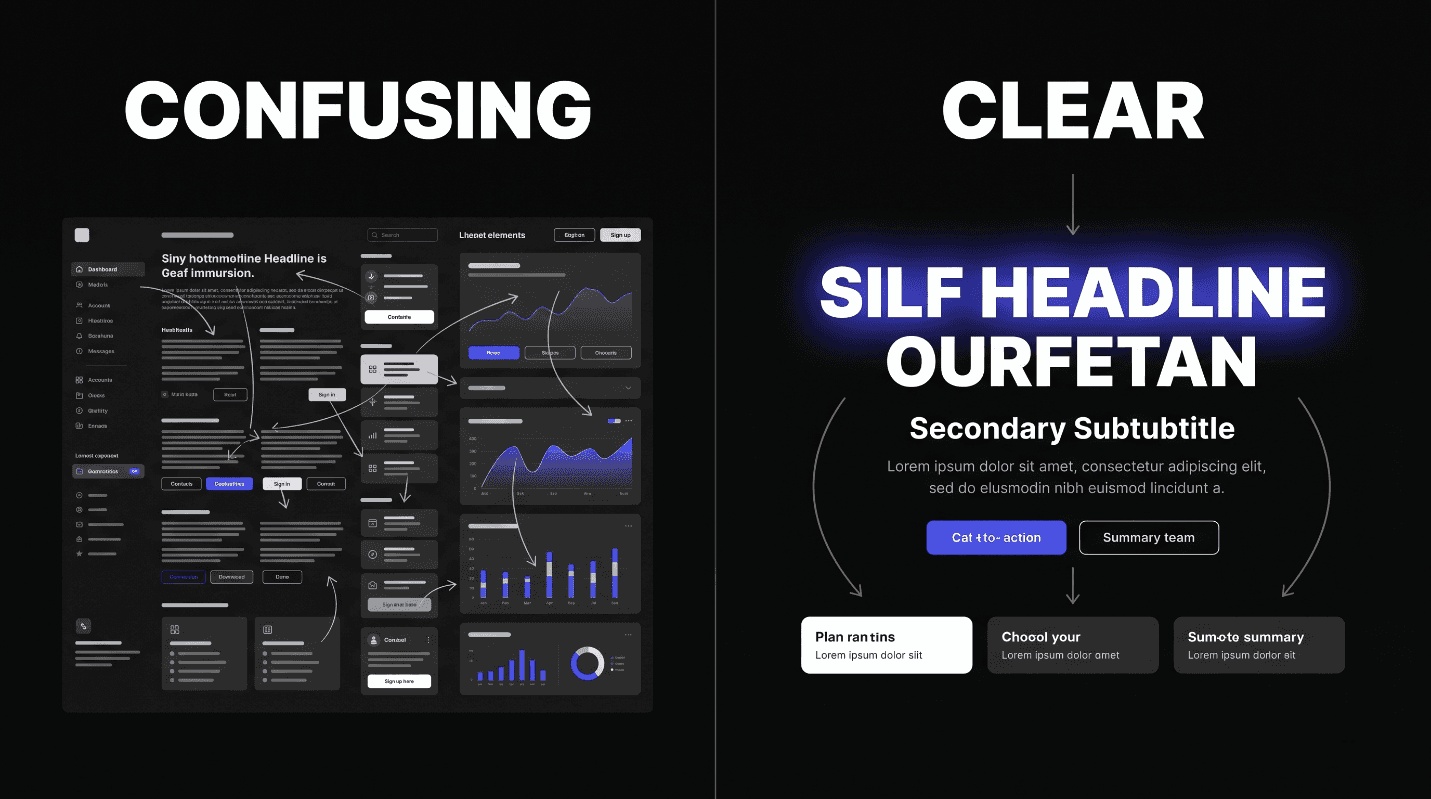
Mobile-first design checklist:
Use bold, wide typefaces (thin fonts disappear on small screens)
Maintain high contrast for readability in various lighting conditions
Keep text minimal; aim for 20% text, 80% visual
Test designs on actual devices before publishing
Brand Consistency Across Touchpoints
Your audience should recognize your content instantly—even before they see your name.When users can identify your post before seeing your brand name, you’ve achieved visual mastery. Consistent colors, fonts, and layout patterns create a cohesive brand experience. Tools like Sociali.ai can help maintain this consistency across multiple platforms without manual effort.
Consider using a content calendar to plan your visual themes in advance. This ensures consistency while allowing for creative flexibility around campaigns and seasonal moments. Strategic planning through a content calendar helps maintain visual rhythm without becoming repetitive.
The Hottest Social Media Design Trends for 2026
1. The “Anti-Polish” Aesthetic
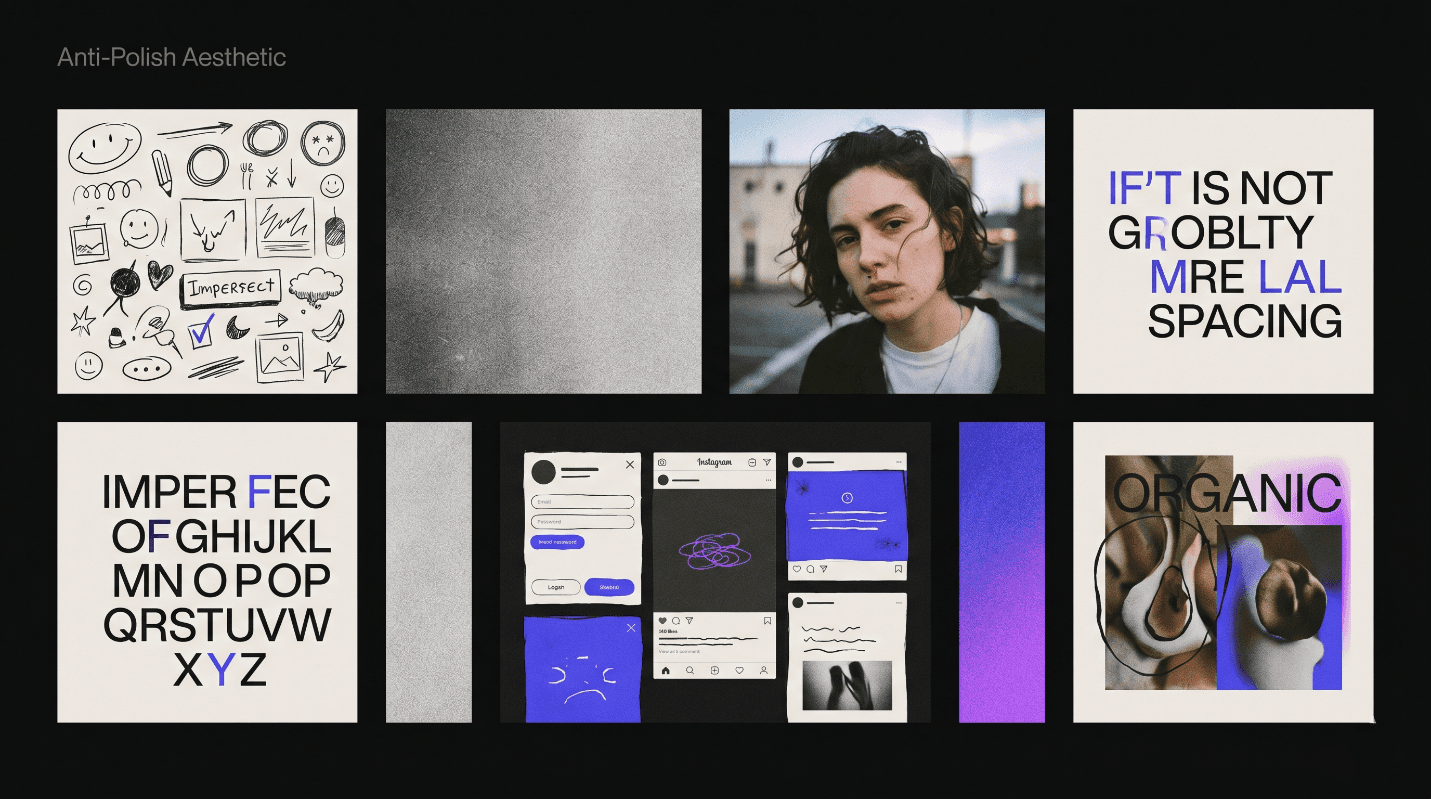
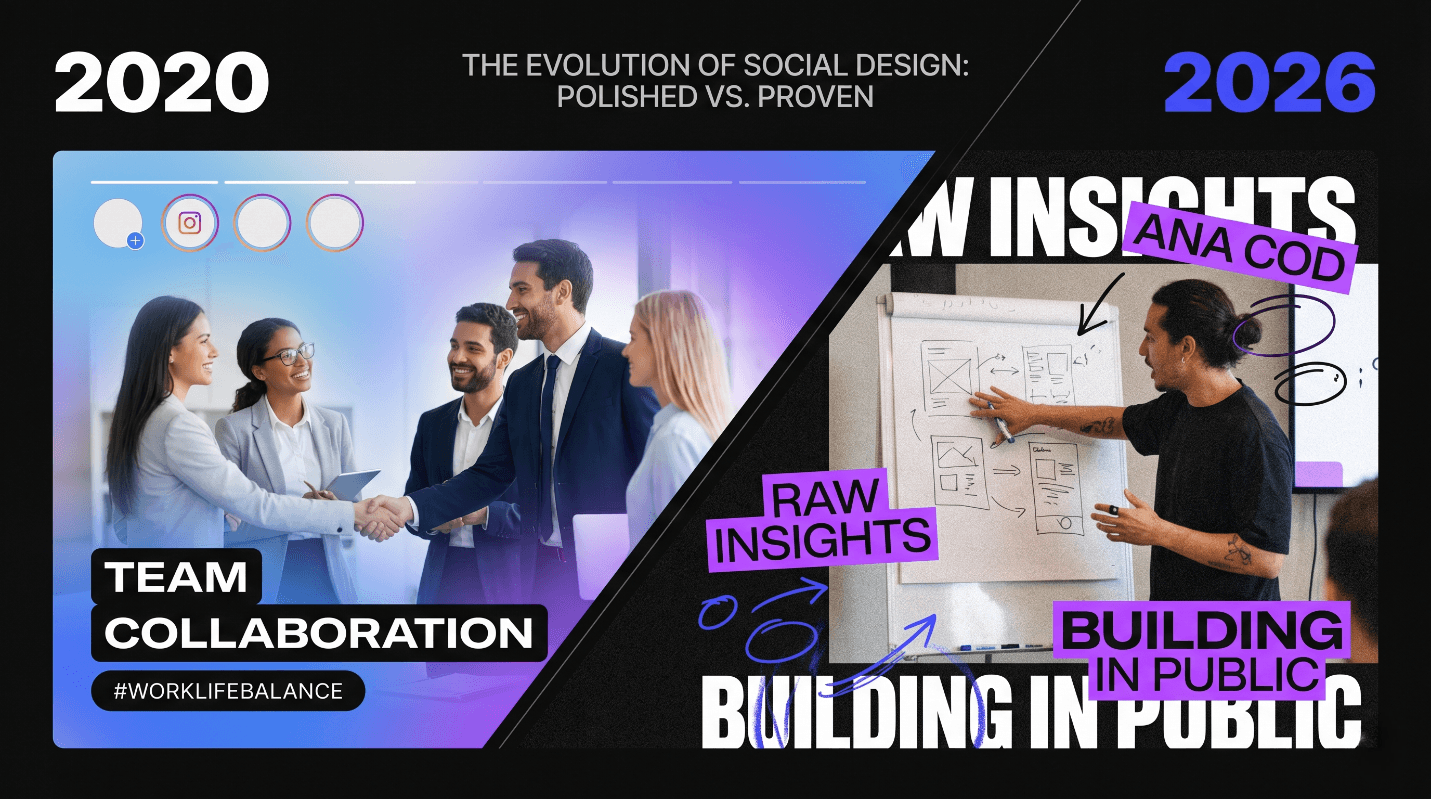
2026 marks a significant backlash against hyper-perfect, AI-smooth visuals. Perfect is starting to feel fake. Raw, slightly messy content often feels more real — and performs better.
This includes hand-drawn elements, slightly irregular spacing, rough textures, and organic variations that feel human rather than algorithmic.
Why it works: In an era of AI-generated perfection, audiences crave authenticity. Raw, imperfect design feels honest and personal, creating emotional connections that polished visuals often fail to achieve.
2. Neo-Minimalism with Bold Accents
Minimalism isn’t dead; it’s evolved. Neo-minimalism pairs clean, spacious layouts with bold typography, vibrant color pops, or intricate micro-details. This approach balances clarity with personality, proving that minimal doesn’t mean boring.
Implementation tips:
Use one strong element as your focal point.
Pair earthy tones with neon accents for a human-yet-futuristic feel
Employ generous white space to let bold elements breathe.
3. Cinematic Motion and Micro-Interactions
Motion isn’t just a bonus anymore — it’s part of how brands communicate. From subtle micro-interactions to cinematic transitions, movement now tells stories rather than just decorating them.
Even static posts benefit from design elements that suggest motion through dynamic compositions and directional cues.
Best practices:
Every animation should have a purpose: delight, inform, or direct.
Subtle motion outperforms flashy effects
Consider how still images can imply movement through diagonal lines, motion blur, or directional gaze.
4. Grainy Blur and Textured Overlays
The grainy blur trend combines soft-focus effects with textured, grainy overlays, creating visuals that feel both nostalgic and modern.
This style adds warmth, depth, and authenticity, standing out in a sea of hyper-polished digital content.
When to use it:
Brand campaigns seeking emotional resonance
Album covers and artistic content
Posts targeting Gen Z and millennial audiences who value “vibes” over perfection
5. Vibrant Color Systems and Chromatic Expression
2026 is bold with color again. Expect dynamic palettes, gradient layering, duotones, and reactive color schemes that adapt to mood or context.
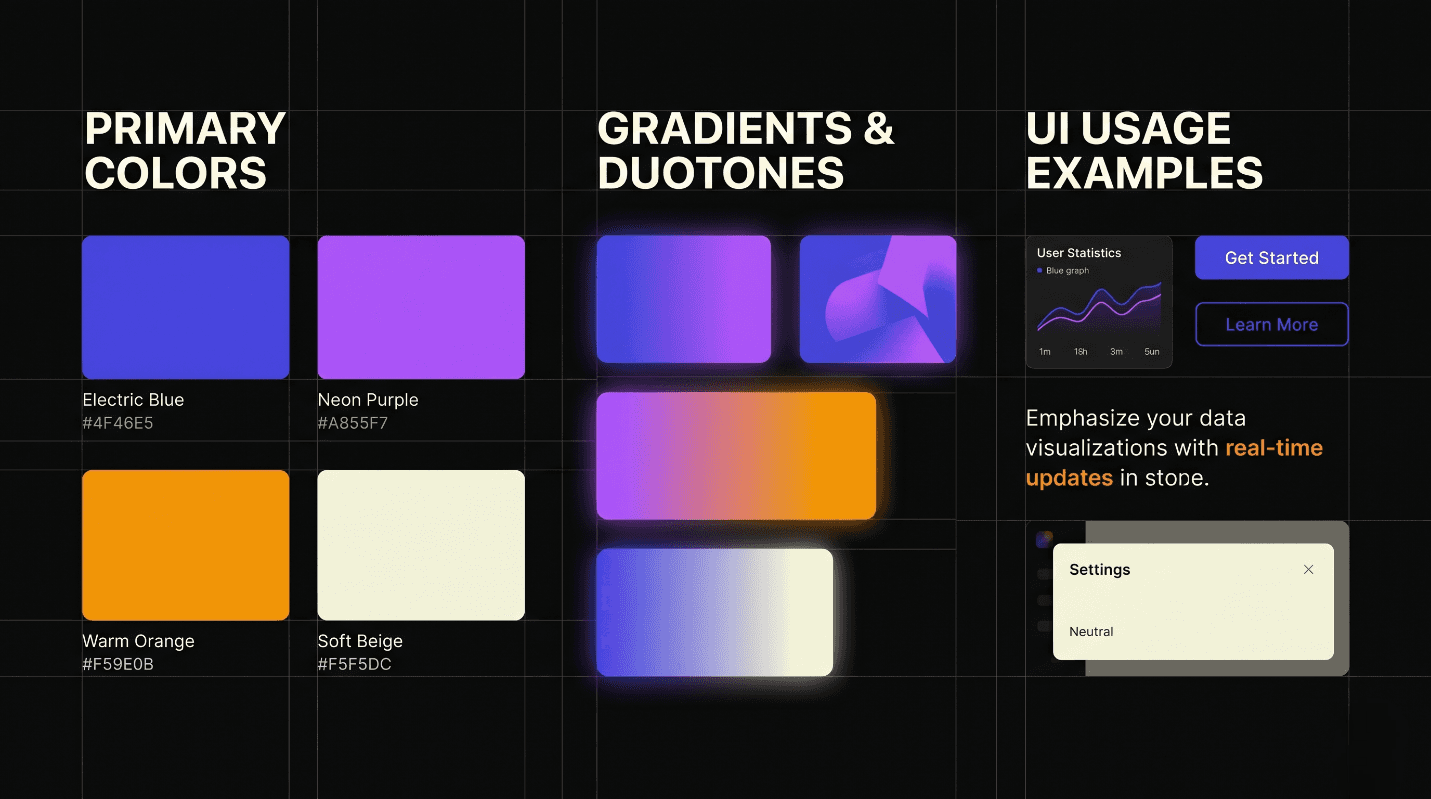
Color becomes a storytelling device, representing brand emotion, energy, and inclusivity.
Accessibility reminder: Balance saturation with contrast for legibility. High contrast isn’t optional; it’s essential for inclusive design.
Platform-Specific Design Strategies
Instagram and Threads: Carousel Storytelling
Instagram continues to favor bold typography, high-contrast colors, and carousel storytelling.
Square and vertical formats dominate, with carousels keeping users engaged longer and boosting algorithmic reach.
Design strategy: Use the first slide as a “scroll stopper,” a bold statement or intriguing visual that compels users to swipe. Each subsequent slide should deliver value while maintaining visual cohesion.
TikTok and Short-Form Video: Thumbnail Optimization
Even video-first platforms require strong static design for thumbnails and cover images. Design for the split-second decision: Does this thumbnail make someone stop scrolling?
LinkedIn and Professional Networks: Clarity First
On professional platforms, clarity beats creativity. Clean layouts, readable text, and professional visuals perform best.
Save the experimental aesthetics for platforms where they fit the culture.
X (Twitter): Punchy and Minimal
Simple graphics with strong headlines work wonders on X. Think punchy, not pretty, designs that communicate instantly in a fast-moving feed.
AI and the Future of Social Media Design
AI has fundamentally transformed social media content creation. Tools like Sociali.ai now assist with automated resizing, layout generation, and maintaining visual consistency—allowing creators to scale content efficiently.
Current AI applications in design:
Automated resizing and format adaptation
Layout suggestions and template generation
Color palette optimization
Rapid A/B testing of visual variations
However, transparency remains crucial. Over half of social media users (52%) express concern about brands posting AI-generated content without disclosure.
The differentiator in 2026 isn’t whether you use AI; it’s how human your content feels despite using AI tools.
The winning formula: Use AI for efficiency and scale, but infuse every piece with human insight, emotional resonance, and authentic storytelling. The magic still comes from human creativity, not algorithmic output.
Actionable Tips to Elevate Your Visuals Today
1. Audit Your Current Visual Identity
Review your last 20 posts. Do they look like they came from the same brand? Identify inconsistencies in color, font, or style, then create a simple brand guideline document.
2. Implement the “Three-Second Test”
Show your design to someone for three seconds, then hide it. Can they recall your main message? If not, simplify further.
3. Create Platform-Specific Templates
Develop template systems for each platform you use. This maintains consistency while saving time. Store approved templates in an organized content library for easy team access and brand compliance.
4. Embrace Strategic Imperfection
Add one intentional “human touch” to your next design: a hand-drawn element, slight texture, or organic variation. Monitor engagement to see how your audience responds to authenticity.
5. Plan with Purpose
Use a social media calendar to align your visual content with business goals, seasonal moments, and campaign themes. Strategic planning prevents last-minute scrambling and ensures cohesive visual storytelling.
6. Leverage AI Wisely
Experiment with AI-assisted design tools for repetitive tasks, but maintain creative control. Use AI-generated options as starting points, not finished products.
Key Takeaways for Social Media Design Success in 2026
The landscape of social media design in 2026 rewards brands that balance technological efficiency with human authenticity. The most successful visual strategies share common threads:
Clarity over complexity—communicate one message instantly
Mobile-first optimization—design for the device in your pocket
Authentic aesthetics—embrace imperfection in an age of AI polish
Strategic consistency—build recognition through cohesive visual systems
Purposeful motion—use movement to tell stories, not just decorate
Human-centered creativity—let AI assist, but never replace, human insight
As you implement these principles and trends, remember that social media design is ultimately about connection. The best visuals don’t just look good; they make audiences feel seen, understood, and inspired to engage.
Ready to improve your social media visuals? Try Sociali.ai to create consistent, high-performing designs faster and more efficiently
Free resource
Get the checklist


